When investing in Vietnam, choosing the appropriate type of enterprise is one of the key legal decisions to be made from the early stages of an investment project. Each type of enterprise differs in terms of its organizational structure, liability regime, capital mobilization capacity, and flexibility in corporate governance. Therefore, investors should carefully consider the model that is most suitable for the scale of the project, the number of members, and their long-term development orientation.
Stronger digital infrastructure, larger startup funding and hi-tech FDI are helping Vietnam reshape its growth model, but shortages of skilled labour, low research and development spending and cybersecurity risks remain major hurdles.
The Law on Artificial Intelligence establishes a unified set of statutory definitions relating to AI and the actors involved throughout its lifecycle. It defines AI as the electronic replication of human intellectual capabilities, including learning, reasoning, perception, judgment, and natural language understanding
With Resolution 10-NQ/TW, issued on June 8, 2026, Vietnam is moving from broad-based foreign investment attraction to a more selective strategy that prioritises high-quality capital, advanced technology, sustainability and stronger links between foreign investors and domestic enterprises.
By addressing the specific needs of different population groups, the new law lays a stronger foundation for sustainable population development, higher-quality human resources and improved quality of life.
Against the backdrop of digital transformation and the need to build a professional, humane and modern press, the Press Law is expected to contribute to the sustainable development of Vietnam’s revolutionary journalism.
On June 8, 2026, the Political Bureau issued Resolution No. 10-NQ/TW on the development of the foreign-invested economy, setting out a comprehensive direction for reforming policies on attracting, managing and utilizing foreign investment in the new development phase. Below are eight key policies introduced under the Resolution.
From July 20, 2026, service support policies for certain leadership positions in the political system will officially take effect. Which leadership positions are eligible for these policies, what are the applicable support amounts, and what are the principles of organization and operation of the Government?
Vietnam continues to be one of the most attractive destinations for foreign investment, supported by a stable political environment, strong economic growth, and an increasingly transparent investment legal framework. However, before deciding on the investment location, business sector, or project scale, one of the first questions foreign investors should address is which investment structure is most suitable for their business objectives.
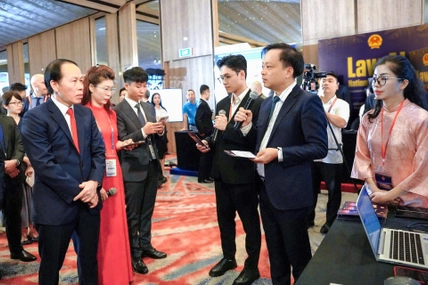
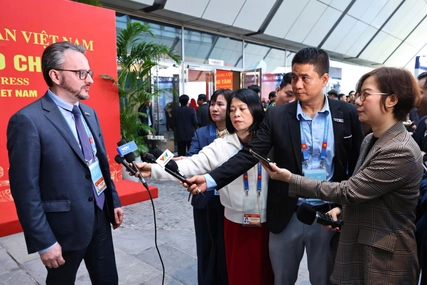
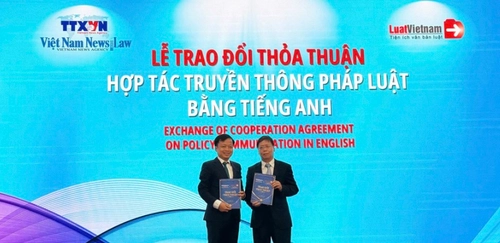
On the afternoon of June 17, 2026, at the National News Center (No. 5 Ly Thuong Kiet, Hanoi), Vietnam News and Law, a publication under the Vietnam News Agency (VNA), held a ceremony to mark the 35th anniversary of the first issue of Vietnam News (June 17, 1991 – June 17, 2026).

 Vietnamese