
 Vietnamese
The Prime Minister has signed a decision introducing the national cybersecurity architecture framework to standardise shared cybersecurity components, enhance the application of artificial intelligence and automation, and optimise investment in information security nationwide.
Deputy Prime Minister Ho Quoc Dung has, on behalf of the Prime Minister, signed a decision promulgating the national cybersecurity architecture framework (version 1.0).
The framework aims to formulate a national master plan on technologies, data and cyber defence processes and specify shared cybersecurity components within the framework.
Decision 1875/QD-TTg, effective as of September 30, states that the national cybersecurity architecture is designed based on the proactive cyber defence mindset and synchronously integrated with the national digital architecture framework. The architecture consists of four interlinked functional layers, forming a comprehensive cybersecurity ecosystem, covering monitoring infrastructure, strategic data, operational platforms, and command and control boards.
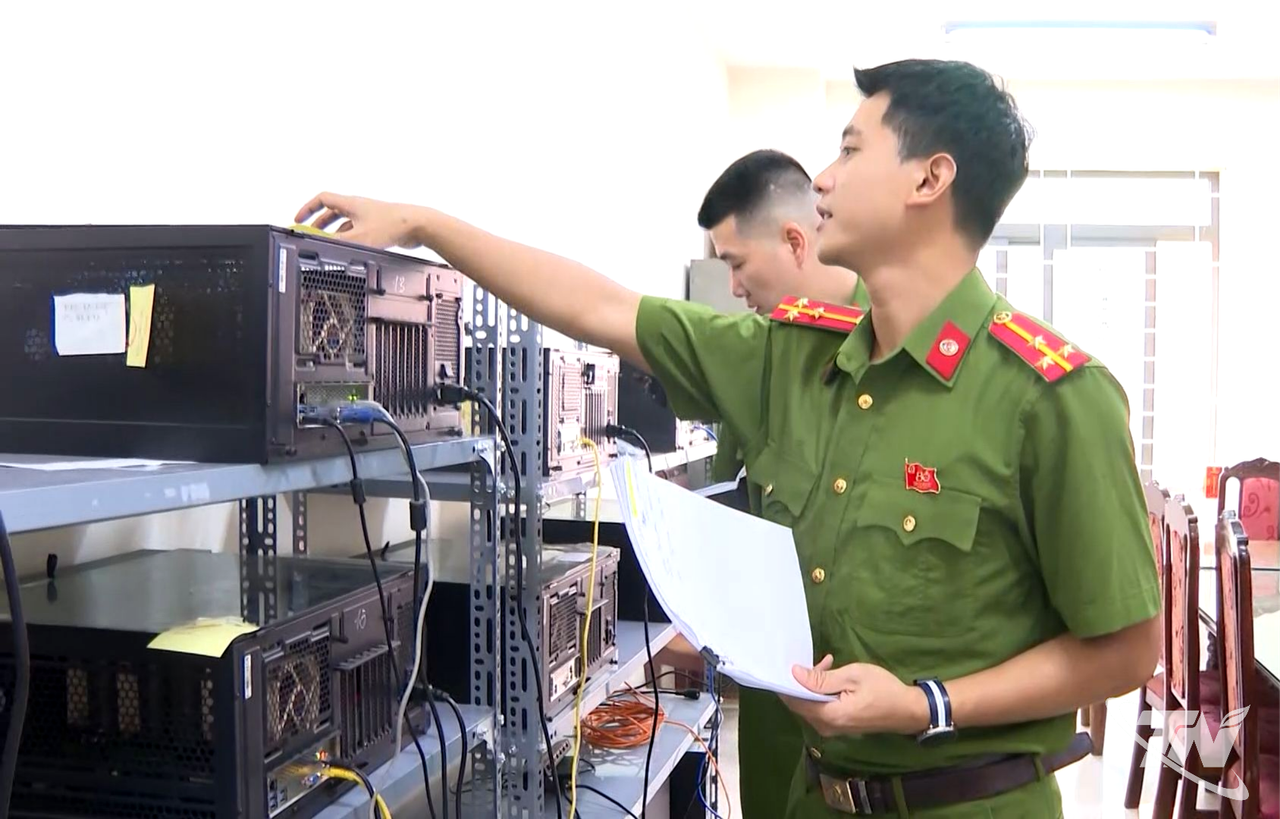
The shared cybersecurity components comprise a national cybersecurity operation platform for unified monitoring, coordination and command of cybersecurity incident response; a national cyber defence platform serving as a shield safeguarding digital borders and critical systems; end-point data security and safety infrastructure to protect devices and end users at agencies and organisations; and specialised cybersecurity systems among the national shared digital platforms.
The strategic objectives are to protect the political system and digital sovereignty by building a robust and intelligent “digital shield”; establishing a proactive, in-depth defence system to safeguard the integrity of the national digital architecture framework against cyberattacks, cyber espionage and cyber warfare.
The framework also aims to deploy modern, real-world defence systems by establishing advanced defence technology benchmarks (such as automated monitoring, big data analytics, and artificial intelligence) as unified guidelines.
The goal is to tackle problems faced by agencies and localities in determining investment models, ensuring a smooth transition from fragmented equipment procurement to investment in substantive, highly effective defence capabilities, thereby avoiding resource waste caused by obsolete or inappropriate technologies.
The architecture framework sets out principles for leadership, direction and management based on real-time data with priority given to artificial intelligence and automation in operational processing.
In addition, the mechanism for monitoring risks associated with virtual assistants and general artificial intelligence to prevent the leakage of sensitive data will be applied.
- (VLLF)