By improving the legal framework on citizenship, the 2025 Law Revising the 2008 Law on Vietnamese Citizenship reaffirms the consistent policy of the Party and the State in protecting overseas Vietnamese while strengthening national solidarity and promoting reconciliation.
According to Article 30.1 of the 2015 Civil Code, every individual has the right to birth registration from the moment of birth. Marriage is not a legal prerequisite for this process.
The Vietnamese central bank will soon revise its Circular 52 of 2018 with a view to improving the effectiveness of supervision and raising governance standards of the banking system.
With the rapid expansion of e-commerce and the growing threat of digital fraud, the draft amended Law on E-Commerce seeks to clarify the responsibilities of e-commerce platforms and product endorsers to better protect consumers in the digital market.
Coming into force on July 1 this year, the 2024 VAT Law marks a significant milestone in the modernization of the country’s tax system. This article provides insights into the key amendments introduced in the new Law compared to previous VAT regulations.
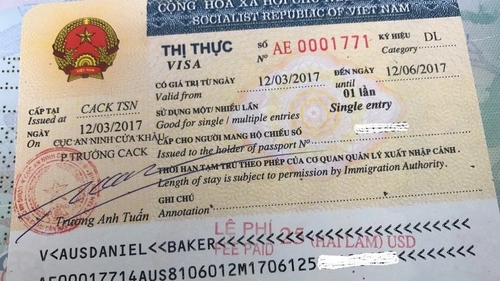
Vietnam’s Golden Visa program is strategically designed to attract foreign investors and skilled professionals to live and work long‑term in Vietnam. By offering extended residency rights and access to many privileges akin to those of citizens, this program aims not only to draw in direct investment capital but also to leverage expertise and technical skills for domestic economic and technological development. For Golden Visa holders, understanding the conditions for maintaining their residency status—including the renewal process—is crucial to ensure legal compliance while maximizing benefits in terms of residency rights, business opportunities, and long‑term integration in Vietnam.
According to the 2017 Tourism Law, foreign-invested enterprises providing international travel services enjoy the same rights and obligations as domestic businesses in this field.
Vietnam is emerging as one of the leading countries in Southeast Asia in the field of renewable energy, particularly offshore wind power. With a total estimated potential exceeding 1,000 GW according to studies by the World Bank and the Vietnam Administration of Seas and Islands (2023), Vietnam's offshore wind power market is considered one of the most promising in Asia.
Public-private partnership projects in the fields of science and technology development, innovation and national digital transformation will be entitled to greater state support, incentives and investment guarantee under special mechanisms. This is outlined in the latest draft Government Resolution, which is scheduled to come into force on July 1.
In response to the prevalence of counterfeit goods, misleading labeling and trade fraud, the Ministry of Industry and Trade has unveiled the second draft decree on goods origin, aiming to better protect consumers and foster a transparent business environment for law-abiding businesses.
The Law on Vietnamese Nationality has undergone several major revisions since its initial enactment. The most recent version was amended in 2008 and supplemented in 2014, forming a comprehensive legal framework on nationality matters.
Living, working, or investing in Vietnam requires foreigners to understand and comply with the applicable legal regulations. The Vietnamese legal system differs significantly from international law in many areas, particularly in matters of family and marriage, property ownership, administrative procedures, and business activities.
Vietnam’s visa program has become a key gateway for international investors and professionals seeking long-term residence in this dynamic country. The following guide outlines the benefits and privileges available to visa holders as of 2025, along with the corresponding legal bases.
Affirming Vietnam’s commitment to the United Nations Convention on the Rights of the Child, the 2024 Law on Justice for Minors not only reflects humanitarian and humanistic values at its core but also marks a significant step forward in preventing and combating juvenile delinquency.
The State Bank of Vietnam is gathering public input on a draft law revising the 2024 Law on Credit Institutions, which proposes the legalization of three policies piloted under Resolution 42/2017/QH14, with a focus on strengthening the management of non-performing loans and dispersing risks.
Under Article 50 of the 2024 Law on Social Insurance (the Law), which will take effect on July 1 this year, employees will be entitled to maternity benefits if falling into certain cases.
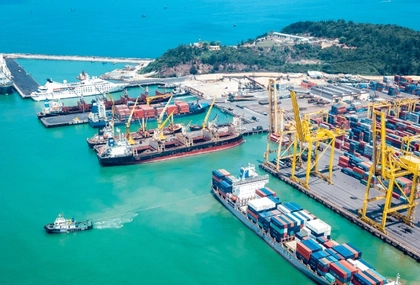
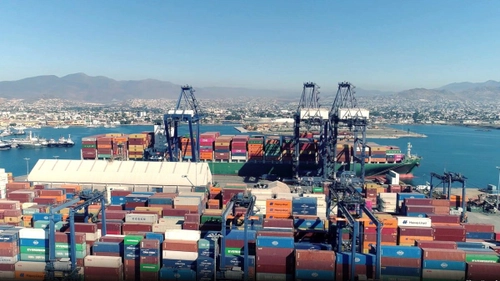
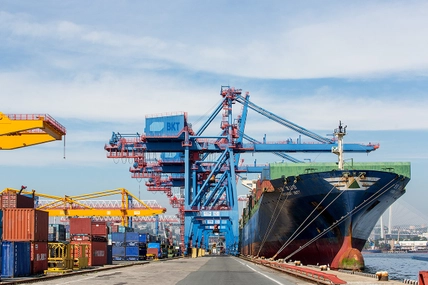
Vietnam's seaport sector has emerged as a crucial pillar of the nation's economic development strategy, offering compelling investment opportunities for both domestic and international stakeholders. As the country continues to position itself as a key player in global maritime trade, understanding the comprehensive framework of investment incentives becomes essential for potential investors.
In recent years, Vietnam's rapid maritime sector growth has brought environmental challenges to the forefront of industry concerns. As seaports continue to expand their operations, implementing effective environmental compliance measures has become crucial for sustainable development and regulatory adherence.
The maritime industry in Vietnam continues to evolve, bringing with it increasingly complex labor regulations that port operators and employers must navigate. This comprehensive guide examines the latest seaport labor laws and provides detailed guidelines for ensuring compliance in 2025.
In recent years, Vietnam’s civil aviation industry has recorded remarkable growth, emerging as one of the most promising sectors for economic development. According to Pháp luật Newspaper, the total number of passengers through Vietnamese airports in 2024 surged by approximately 27% compared to 2023.
Passed by the National Assembly in November 2024, the Law Revising a Number of Articles of the Law on Health Insurance (the 2024 Law) aims to increase healthcare benefits for the insured and improve the quality of medical examination and treatment services in health facilities nationwide, thereby contributing to assurance of social security.
Scheduled for submission to the National Assembly for passage this May, the latest draft Law on Personal Data Protection introduces key provisions aimed at completing the legal framework for personal data protection and enhancing the responsibilities of domestic and foreign agencies, organizations, and individuals in safeguarding personal data.
The process of obtaining seaport investment licenses in Vietnam requires careful attention to legal requirements and procedures. This comprehensive guide will walk you through the essential steps and considerations for securing your seaport investment license.
Vietnam's healthcare system is undergoing a profound transformation to meet growing demands for service quality, equitable access, and operational efficiency. The period from 2025 to 2030 marks a pivotal stage, with a strategic focus on developing a modern, synchronized hospital network centered on patients
As Vietnam’s tourism and hospitality sector continues to thrive—particularly with the rapid development of coastal resort projects—the need for conducting Environmental Impact Assessments (EIA) is becoming increasingly urgent and legally mandatory. Performing an EIA not only ensures compliance with current environmental protection regulations but also plays a crucial role in promoting sustainable development by minimizing negative impacts on natural ecosystems and local communities.
In the context of Vietnam's rapidly growing tourism industry in 2025, understanding and complying with resort accommodation business standards is a key factor in determining the success of any business.
The footwear manufacturing industry is one of Vietnam’s key export sectors, contributing significantly to international trade revenue and creating millions of jobs. With competitive labor costs, a skilled workforce, and a favorable geographic location, Vietnam has become the world’s third-largest footwear manufacturing hub, after China and India.
Vietnam's aviation industry is entering a phase of remarkable growth, evidenced by increasing transportation demand, infrastructure expansion, and growing participation from both domestic and international investors. In this context, identifying and fully complying with legal regulations on investment and business operations in the aviation sector is not only a prerequisite for the legality of any project but also a foundation for safeguarding investors’ legal interests and promoting sustainable, transparent, and stable development of Vietnam's aviation market.
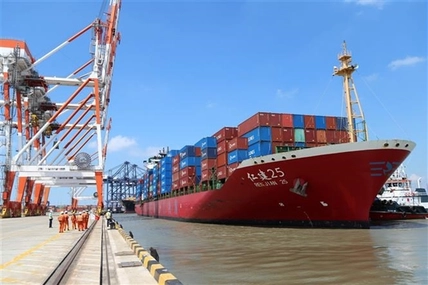
Vietnam's maritime transport sector continues to evolve with significant regulatory updates in 2025. This comprehensive guide explores the latest changes in maritime transport laws, providing essential information for industry stakeholders and professionals.
The taxation landscape for seaports in Vietnam represents a complex framework that significantly impacts maritime operations and investment decisions. This comprehensive guide explores the current tax policies, requirements, and compliance procedures that port operators and stakeholders must navigate in Vietnam's maritime sector.
The maritime industry in Vietnam continues to evolve, bringing with it increasingly complex labor regulations that port operators and employers must navigate. This comprehensive guide examines the latest seaport labor laws and provides detailed guidelines for ensuring compliance in 2025.
In Vietnam, a trademark opposition is a legal procedure that allows a third party to formally challenge a pending trademark application before it gets officially registered by the Intellectual Property Office of Vietnam (VNIPO, formerly, NOIP). A trademark opposition aims at preventing the registration of trademarks that could potentially infringe on existing rights or create confusion in the marketplace. It's a proactive measure to avoid future legal disputes and brand damage.
The 2024 Law on Cultural Heritage aims to improve regulations on the safeguarding and promotion of values of cultural heritage, decentralization and delegation of powers for state management of cultural heritage, and mechanisms and policies to promote mobilization of social resources
In recent years, Vietnam's rapid maritime sector growth has brought environmental challenges to the forefront of industry concerns. As seaports continue to expand their operations, implementing effective environmental compliance measures has become crucial for sustainable development and regulatory adherence.
Many trademark owners might think that examiners at the Vietnam Intellectual Property Office (“VNIPO”) will automatically reject trademark applications that are strikingly similar to existing marks, but reality can differ surprisingly. The assumption that very similar trademarks, especially those registered for similar or related goods and services, will certainly be rejected is a common misconception. Due to unforeseen reasons during the examination process, even marks that appear confusingly similar can sometimes be granted protection.
Trademarks and copyrights – two concepts that may seem familiar, yet they harbor a wealth of legal complexities. Many mistakenly assume that obtaining a Trademark Registration Certificate grants them a "carte blanche" to use the logo without any further considerations. However, the reality is far from simple. In fact, it demonstrates that trademark registration and the issue of copyright infringement are two entirely distinct legal realms. KENFOX IP & Law Office analyzes the core differences, explores the points of intersection, and, in particular, elucidates why, even with a registered trademark, the potential for copyright infringement persists.
Set to come into force on July 1 this year, the Law on Social Insurance (the Law) introduces significant revisions with the aim of ensuring long-term social security for the people and increasing benefits of the insured.
Vietnam is rapidly developing as a globally integrated and dynamic economy, making intellectual property (IP) increasingly vital, particularly in technology, e-commerce, and pharmaceuticals. With rising foreign investment, a critical legal question emerges: Can Vietnam's current laws effectively protect IP as collateral, allowing businesses and investors to utilize it as a financial instrument? Although Vietnam's current law recognized IP as an asset that can be collateralized, there are significant legal loopholes caused by the absence of specific and comprehensive rules directly related to IP collateralization. Do these legal loopholes provide an opportunity to develop the IP collateral market, or do they, conversely, heighten the legal risk, creating challenges for investors, particularly foreign ones increasingly interested in securing loans with IP in Vietnam?
Trademark applicants in Vietnam often face the risk of refusal, leading to wasted time and resources. However, many of these rejections are avoidable. Understanding the common grounds for trademark refusal in Vietnam – such as conflicts with existing trademarks, generic terms, or violations of public order and morality – enables applicants to proactively address potential issues. This proactive approach leads to more effective responses to challenges and, ultimately, a more efficient and successful trademark registration process.
Vietnam's seaport management system has evolved significantly in recent years, reflecting the country's growing maritime sector and its increasing importance in global trade. The regulatory framework governing seaport operations plays a crucial role in ensuring efficient, safe, and compliant port operations while facilitating international commerce.
Vietnam's maritime sector plays a crucial role in the nation's economic development, serving as a vital gateway for international trade and commerce. Understanding the complex web of maritime regulations is essential for stakeholders operating in this dynamic industry.
Foreign Direct Investment (FDI) companies operating in Vietnam must adhere to strict statistical reporting requirements to maintain compliance with local regulations. This comprehensive guide outlines the essential reporting obligations, deadlines, and procedures for FDI enterprises in 2025.
Foreign Direct Investment (FDI) companies operating in Vietnam must comply with strict labor reporting requirements to maintain their legal status and ensure transparency in their workforce management. This comprehensive guide outlines the essential aspects of labor usage reporting for FDI enterprises in 2025.
Foreign Direct Investment (FDI) enterprises operating in Vietnam must navigate a complex tax reporting landscape. This comprehensive guide outlines the essential requirements, procedures, and deadlines for tax declarations in 2025
In Vietnam's dynamic foreign investment landscape, compliance with reporting requirements is crucial for FDI projects. This comprehensive guide outlines all mandatory reporting obligations, ensuring that foreign investors maintain full compliance while operating in Vietnam.
In Vietnam's rapidly evolving business landscape, understanding and complying with shareholder meeting requirements is crucial for foreign companies. This comprehensive guide outlines the essential legal requirements, procedures, and best practices for conducting annual shareholder meetings in Vietnam as of 2025.

 Vietnamese