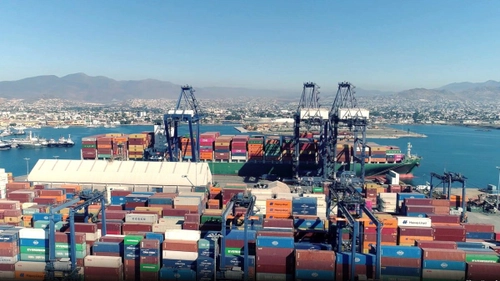
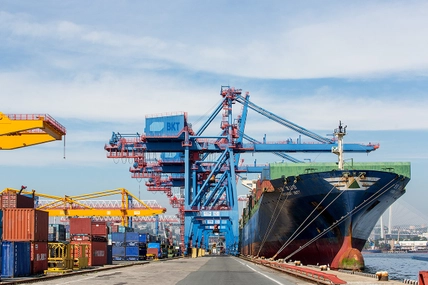
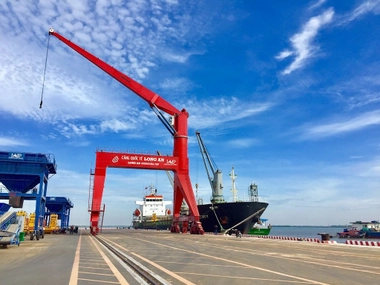
Vietnam's maritime transport sector continues to evolve with significant regulatory updates in 2025. This comprehensive guide explores the latest changes in maritime transport laws, providing essential information for industry stakeholders and professionals.
In recent years, Vietnam's rapid maritime sector growth has brought environmental challenges to the forefront of industry concerns. As seaports continue to expand their operations, implementing effective environmental compliance measures has become crucial for sustainable development and regulatory adherence.
Many trademark owners might think that examiners at the Vietnam Intellectual Property Office (“VNIPO”) will automatically reject trademark applications that are strikingly similar to existing marks, but reality can differ surprisingly. The assumption that very similar trademarks, especially those registered for similar or related goods and services, will certainly be rejected is a common misconception. Due to unforeseen reasons during the examination process, even marks that appear confusingly similar can sometimes be granted protection.
Trademarks and copyrights – two concepts that may seem familiar, yet they harbor a wealth of legal complexities. Many mistakenly assume that obtaining a Trademark Registration Certificate grants them a "carte blanche" to use the logo without any further considerations. However, the reality is far from simple. In fact, it demonstrates that trademark registration and the issue of copyright infringement are two entirely distinct legal realms. KENFOX IP & Law Office analyzes the core differences, explores the points of intersection, and, in particular, elucidates why, even with a registered trademark, the potential for copyright infringement persists.
Set to come into force on July 1 this year, the Law on Social Insurance (the Law) introduces significant revisions with the aim of ensuring long-term social security for the people and increasing benefits of the insured.
Vietnam is rapidly developing as a globally integrated and dynamic economy, making intellectual property (IP) increasingly vital, particularly in technology, e-commerce, and pharmaceuticals. With rising foreign investment, a critical legal question emerges: Can Vietnam's current laws effectively protect IP as collateral, allowing businesses and investors to utilize it as a financial instrument? Although Vietnam's current law recognized IP as an asset that can be collateralized, there are significant legal loopholes caused by the absence of specific and comprehensive rules directly related to IP collateralization. Do these legal loopholes provide an opportunity to develop the IP collateral market, or do they, conversely, heighten the legal risk, creating challenges for investors, particularly foreign ones increasingly interested in securing loans with IP in Vietnam?
Trademark applicants in Vietnam often face the risk of refusal, leading to wasted time and resources. However, many of these rejections are avoidable. Understanding the common grounds for trademark refusal in Vietnam – such as conflicts with existing trademarks, generic terms, or violations of public order and morality – enables applicants to proactively address potential issues. This proactive approach leads to more effective responses to challenges and, ultimately, a more efficient and successful trademark registration process.
Vietnam's seaport management system has evolved significantly in recent years, reflecting the country's growing maritime sector and its increasing importance in global trade. The regulatory framework governing seaport operations plays a crucial role in ensuring efficient, safe, and compliant port operations while facilitating international commerce.
Vietnam's maritime sector plays a crucial role in the nation's economic development, serving as a vital gateway for international trade and commerce. Understanding the complex web of maritime regulations is essential for stakeholders operating in this dynamic industry.
Foreign Direct Investment (FDI) companies operating in Vietnam must adhere to strict statistical reporting requirements to maintain compliance with local regulations. This comprehensive guide outlines the essential reporting obligations, deadlines, and procedures for FDI enterprises in 2025.
Foreign Direct Investment (FDI) companies operating in Vietnam must comply with strict labor reporting requirements to maintain their legal status and ensure transparency in their workforce management. This comprehensive guide outlines the essential aspects of labor usage reporting for FDI enterprises in 2025.
Foreign Direct Investment (FDI) enterprises operating in Vietnam must navigate a complex tax reporting landscape. This comprehensive guide outlines the essential requirements, procedures, and deadlines for tax declarations in 2025
In Vietnam's dynamic foreign investment landscape, compliance with reporting requirements is crucial for FDI projects. This comprehensive guide outlines all mandatory reporting obligations, ensuring that foreign investors maintain full compliance while operating in Vietnam.
In Vietnam's rapidly evolving business landscape, understanding and complying with shareholder meeting requirements is crucial for foreign companies. This comprehensive guide outlines the essential legal requirements, procedures, and best practices for conducting annual shareholder meetings in Vietnam as of 2025.
Foreign direct investment (FDI) capital contribution is a crucial legal obligation that investors must strictly comply with. Failure to contribute the full FDI capital may lead to severe legal consequences, affecting business operations and the legal status of the enterprise.
Failing to fully contribute foreign direct investment (FDI) capital is a serious challenge for foreign-invested enterprises (FIEs) in Vietnam. This issue can lead to legal consequences such as administrative penalties, revocation of the Investment Registration Certificate (IRC), or operational difficulties.
In the current economic landscape, business bankruptcy is no longer an uncommon occurrence. However, the crucial issue is how to ensure the legal rights of all stakeholders throughout this process. This article provides an in-depth analysis of legal regulations and solutions for protecting the rights of employees, creditors, and shareholders, as well as dispute resolution mechanisms in bankruptcy proceedings.
In the context of economic fluctuations, understanding the bankruptcy procedures for businesses has become more important than ever. This article provides a comprehensive guide on the business bankruptcy process according to the latest regulations in 2025.
Vietnam's rapidly growing economy continues to attract business professionals and foreign investors. Understanding the requirements and procedures for applying for a business visa is crucial for anyone planning to conduct business activities in Vietnam. This comprehensive guide provides you with all the necessary information for applying for a Vietnamese business visa in 2025.
In the context of Vietnam’s rapidly developing economy, foreign investors are increasingly looking for opportunities to establish their business presence here. The article below provides a comprehensive guide to help you understand the requirements, procedures, and processes for obtaining a business license in accordance with current legal regulations.
Leasing land in an industrial zone is crucial for foreign investors aiming to implement manufacturing projects in Vietnam. This article provides a detailed guide on the procedures, formalities, and legal issues related to leasing land in industrial zones.

 Vietnamese